Match the floor
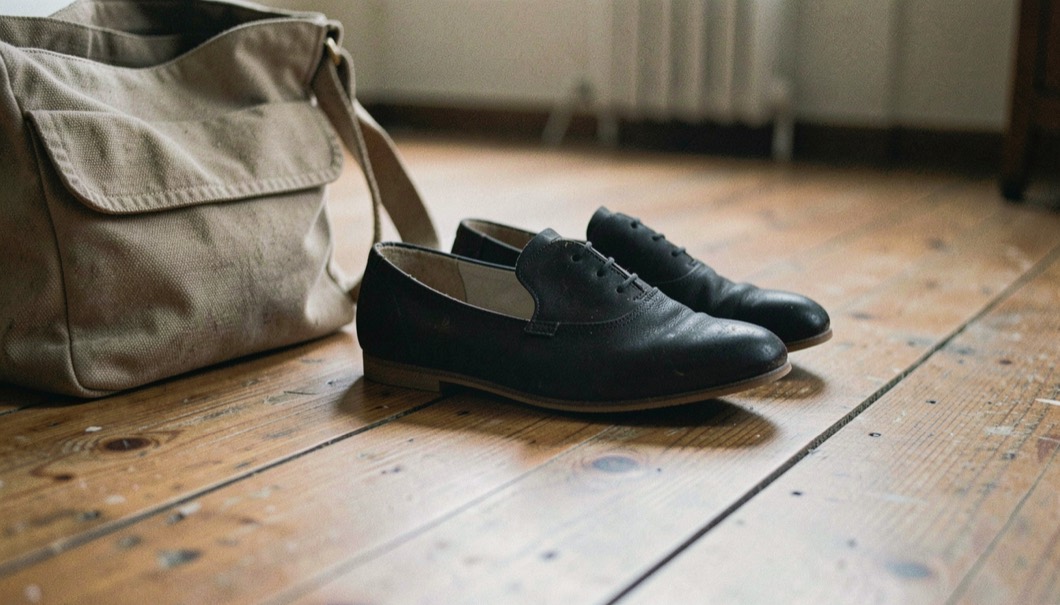
A shoe that feels fine on one room’s wood may drag or slide on another. Ask the organizer what the floor is like and test your first steps without forcing a turn. The useful purchase is not the shoe that looks most specialized. It is the pair that lets you stay balanced, hear the floor and change direction without fighting the surface.
Keep the sole honest
Flexible shoes help you articulate a step, but too much grip can make a rotation feel abrupt. A smooth sole can become unsafe when the floor is dusty or wet. Wear the shoe at home, walk in it and test a small weight change before a full social. Your body should not have to compensate for a sole you cannot control.
A shoe protocol
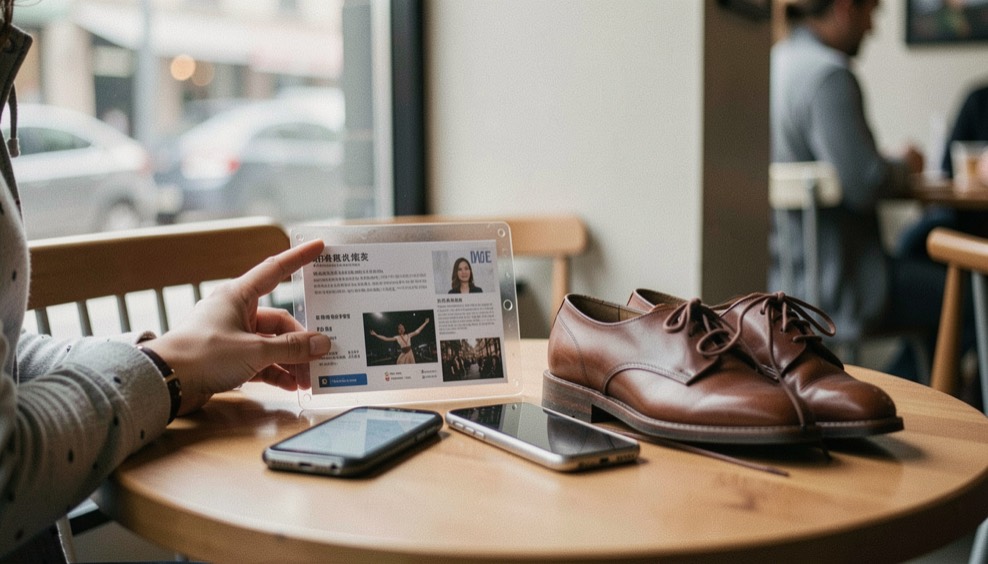
Bring the pair to a short practice session first. Check that the heel is secure, the upper does not rub and the sole does not catch when you brush the floor. Pack clean socks and a familiar backup for a regional weekend. At the venue, change away from the active dance space and keep the used pair in a cloth bag.
Buying errors
Do not buy a shoe because a competition photo makes it look necessary. Do not assume a dance label guarantees comfort. Do not break in a new pair during the longest event of the year. A shoe is part of the connection between your body and the floor, so its first job is predictable movement rather than a signal of expertise.
Safety limits
The old Cincinnati floor rules focused on awareness, no dangerous aerials and keeping the floor clear. They did not specify a universal shoe. That absence is useful. Surface, venue, foot history and dance style all matter. If a new shoe causes pain, numbness or instability, stop and choose a safer option instead of treating discomfort as a rite of passage.
A practical example
A dancer owns a pair with a flexible suede-like sole and a pair of clean low-profile sneakers. The historic ballroom has a smooth wood floor, while a community room has a grippier surface. The dancer tests both, asks the organizer and chooses differently for each room. The best gear decision changes with the floor because the floor is part of the dance.
Source trail and limits
The archive rules provide the local safety context, not a product endorsement. Ask current venues about permitted shoes and surfaces. Cincy Bop Bulletin does not rank brands without testing them or claim that one sole works everywhere. A teacher, venue and your own controlled practice are better sources for a specific purchase.
Read the room, name the source and leave space for the next dancer. That is a useful rule whether the page is an archive record or a current lead.
One more field note
The same principle applies to maintenance. Clean a pair according to its material, inspect the sole and stop using it when the heel or stitching becomes unreliable. A venue may ask for a particular surface-safe choice, especially when a historic floor needs protection. Ask before applying a product or changing a sole. Gear knowledge is practical when it protects both the dancer and the room that makes social dancing possible.