How do spiked and spikeless golf soles differ on turf and on a path?
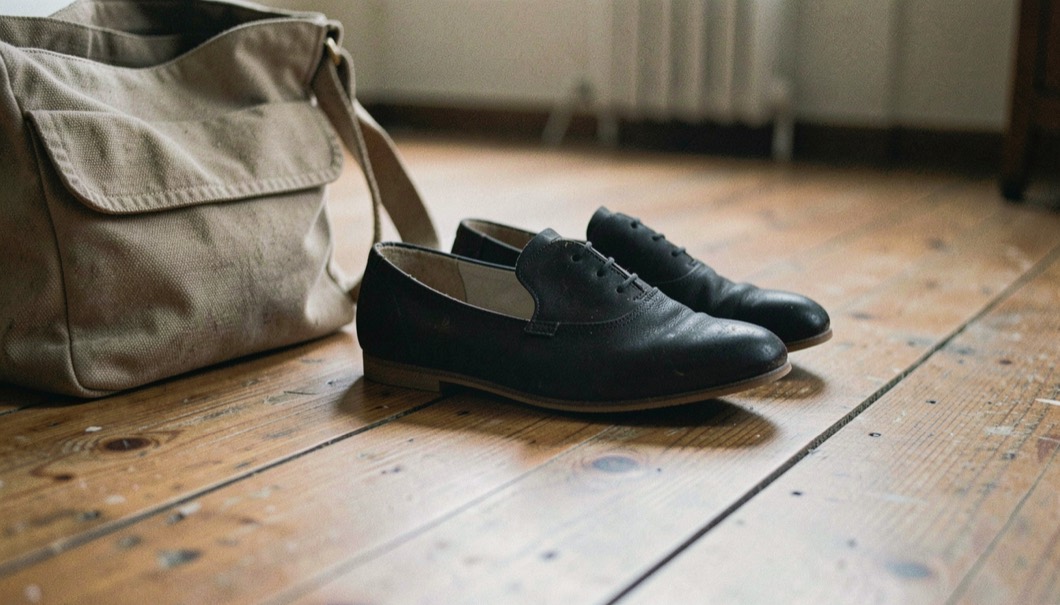
Spiked soles bite into turf and feel unstable on a path, while spikeless soles trade that bite for comfort and grip on hard surfaces. A stand bag carries its own legs and suits a walking round, a cart bag is built for a trolley or a buggy, and a travel bag is a shell for the flight. For a wet championship week, a golfer packs a waterproof shell, a wind top, a knit midlayer and a spare pair of gloves, and checks each item by the shelf it belongs to and the material it is made from, the same way golf gear by shelf and material is organized. On turf, a spiked sole, with metal or plastic points set into the outsole, presses into the ground and resists lateral slip during a full swing. The points also clear grass and mud as the foot rolls. On a path, a cart path or a clubhouse floor, those same points sit on top of the surface and reduce the contact area, so the shoe can feel skittish and the points wear down faster. A spikeless sole, usually a rubber or thermoplastic outsole with molded lugs or a flat tread, spreads contact across the whole foot. On turf it holds well enough for most swings, and on a path it grips and does not scratch. The trade is straightforward: more bite on grass against more comfort and longer life on hard ground. Many players keep two pairs, one spiked for wet mornings and one spikeless for dry rounds and travel. The upper matters too. A mesh upper breathes and dries fast, while a waterproof membrane, often a bootie construction inside the shoe, keeps water out when the rough is soaked. A leather upper sits between the two: it resists water for a while and needs care to stay supple.
What separates a stand bag from a cart bag and a travel bag?
A stand bag has a built-in leg mechanism and a strap system for carrying. It is light, usually under six pounds empty, and it sits on the ground on its own legs when the player sets it down. The top is divided into a few slots, and the pockets are sized for a water bottle, a sleeve of balls and a rain jacket. A cart bag does not carry itself. It has a flat base and a channel that fits a trolley or a buggy, a larger top with more dividers, and pockets that open toward the player when the bag is strapped on. It holds more, and it weighs more. A travel bag is a shell. It has a hard or padded frame, a hood for the clubheads, and often wheels. It exists to protect the set in a plane hold or a car boot, and it is not meant for the course itself. A player who flies to a championship week packs the set in the travel bag, then moves the clubs into a stand or cart bag at the other end. Covers and straps follow the same logic: a knit headcover protects a wood in transit, a leather strap carries a stand bag on the shoulder, and a small accessory pouch holds tees, a pitch mark tool and a scorecard.
How do rain layers, wind tops and knitwear change what a golfer packs for a championship week?
A wet week is a packing problem in layers. The base is a polo or a short-sleeve shirt in a technical fabric that moves sweat away from the skin. Over that, a knit midlayer, merino or a synthetic blend, holds warmth without bulk. Over that, a wind top cuts the breeze on an exposed fairway and weighs almost nothing in the bag. The outer layer is a waterproof shell, a jacket and often trousers, with taped seams and a membrane rated for sustained rain. A golfer who expects four days of showers packs two pairs of gloves, because a leather glove soaks through and loses its grip, and a spare pair of socks. The grip compound on the clubs matters in the same conditions: a cord or a half-cord grip holds when wet, while a soft rubber grip can slip. A club championship or a major week adds a dress code, so the player checks the club’s note on collars and shorts before packing. The Ryder Cup and the majors set a visual standard that club events often follow, and a player who reads the forecast and the club’s sheet packs for the worst day, not the best.
Which materials decide how a shoe or a glove performs?
A shoe is a stack of materials. The outsole is the ground contact: metal or plastic points on a spiked model, rubber lugs on a spikeless one. The midsole is foam or a foam and rubber mix, and it sets the cushioning. The upper is mesh, leather or a synthetic, and the membrane sits inside it. A glove is leather, usually cabretta, which is thin and tacky, or a synthetic, which lasts longer in the rain. A grip is rubber, cord or a wrap, and each one feels different in a wet hand. A player who knows the material knows what to expect on the first tee.
What goes in a bag for a wet week, shelf by shelf?
Start with the clubs and the headcovers. Then the shoes: one spiked pair for the wet rounds, one spikeless pair for the range and the clubhouse. Then the rain gear: jacket, trousers, a towel or two, and a dry bag for a phone. Then the gloves: two pairs, plus a rain glove if the player uses one. Then the small items: tees, balls, a pitch mark tool, a scorecard holder, a pencil, and a small pouch for keys and a wallet. A stand bag holds this for a walking round. A cart bag holds it with room to spare. A travel bag holds it all in transit. The list does not change much from a club championship to a major week; only the dress code and the forecast do.
How does a player test gear before a championship week?
A player tests gear in the conditions it will meet. A spiked shoe is tested on a wet range and on a path. A rain jacket is tested in a shower or under a hose, with the seams checked. A glove is tested for fit and for grip with a wet hand. A bag is tested loaded, on a trolley and on a shoulder, to see where it rubs. A knit layer is tested under a wind top, to check that the swing is free. The test is not a review; it is a check that the item does what the label says. A player who does this before the week arrives carries less and worries less.
Read the room, name the source and leave space for the next dancer. That is a useful rule whether the page is an archive record or a current lead.