Research before the night
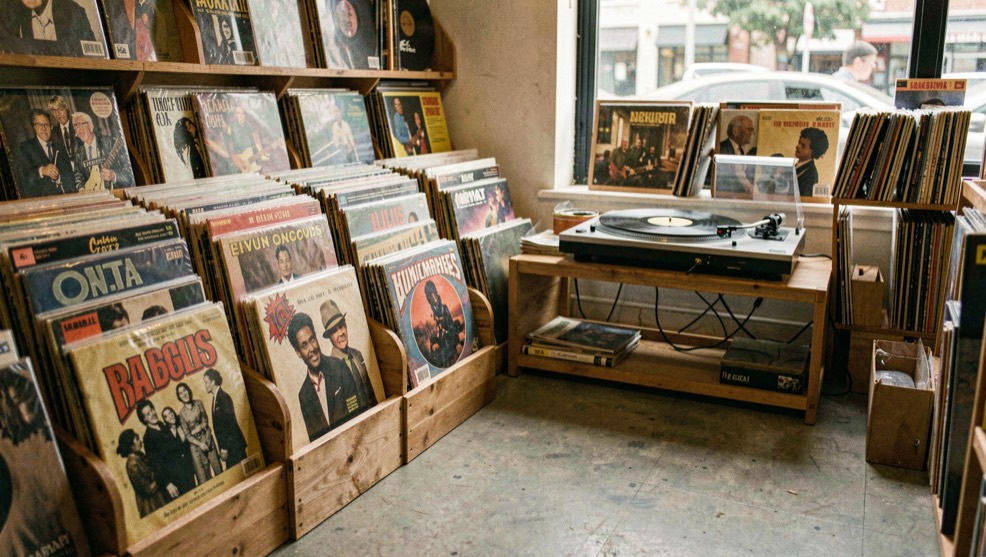
The Cincinnati archive described a club DJ as a music researcher with a library built through travel, listening and buying. That is a better model than treating the playlist as a static genre folder. Research means knowing the recording, its phrasing and the way dancers have responded to it in a room. It also means crediting the musicians and resisting the temptation to use history as decoration.
Build for bodies
A useful crate has entries for a room settling in, a floor filling, a reset after a fast run and a close. Rhythm and blues can carry a night, but variety in texture, vocal energy and instrumental space keeps partners attentive. Choose records whose pulse is findable from the edge of the floor. A technically impressive track that makes everyone hesitate may be a poor opening choice.
A practical sequence
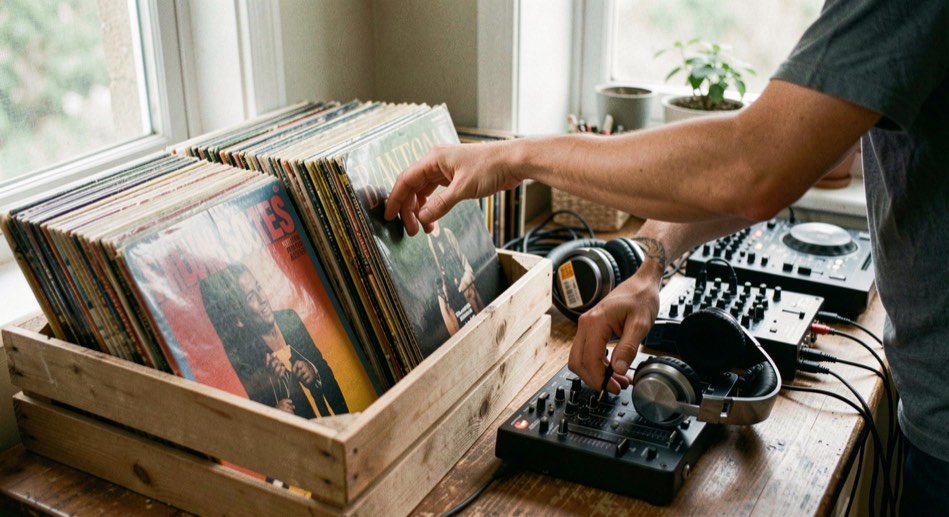
Before doors, group records by function rather than only by artist. Mark likely openers, reliable middle-set choices and calm resets. During the night, watch the floor after each change. If people shorten every step, give them more space. If the room loses confidence, choose a phrase with a clear pulse. Keep a small notebook of what worked, but do not mistake one crowd for a permanent rule.
DJ errors
A common mistake is playing only what the DJ wants to hear. Another is stacking too many tempo changes, assuming dancers will treat them as a challenge. Abrupt volume changes, long silent edits and tracks with unclear endings can make a social night feel harder than it needs to be. The answer is not bland music; it is a more deliberate relationship between selection and room.
Limits of a historical library
The archived DJ page tells us that two named club DJs treated music research and a shared library as serious work. It does not give us a complete catalog, a current rights position or a universal definition of danceable R&B. We can use its description as a historical clue while leaving present programming to the DJ and event organizer.
A room example
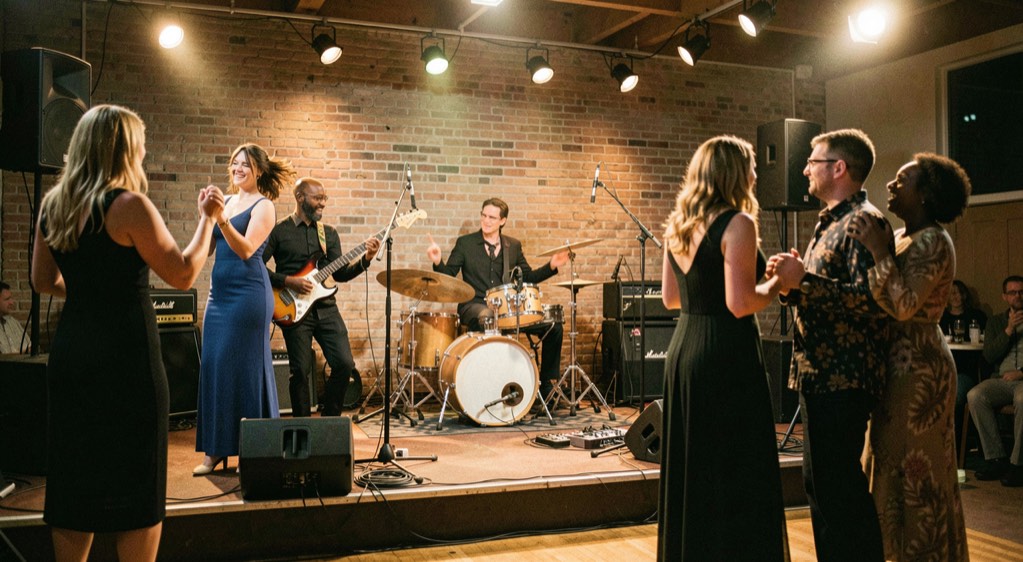
Suppose the lesson ends and beginners are still finding the pulse. A DJ opens with a track that has a strong vocal phrase and enough space for small steps, follows with a slightly denser groove and then offers a familiar reset. Regulars can still hear the craft, while new dancers get a foothold. The set serves the room without pretending to be invisible.
Source trail
The archived DJ page is the primary local record for the research-library idea. The American Bop Association helps situate bop and related dance clubs in a wider network. Current music choices should be credited to the DJ, band or organizer who made them. Cincy Bop Bulletin does not reproduce playlists or imply permissions it has not checked.
Read the room, name the source and leave space for the next dancer. That is a useful rule whether the page is an archive record or a current lead.