What the pages record
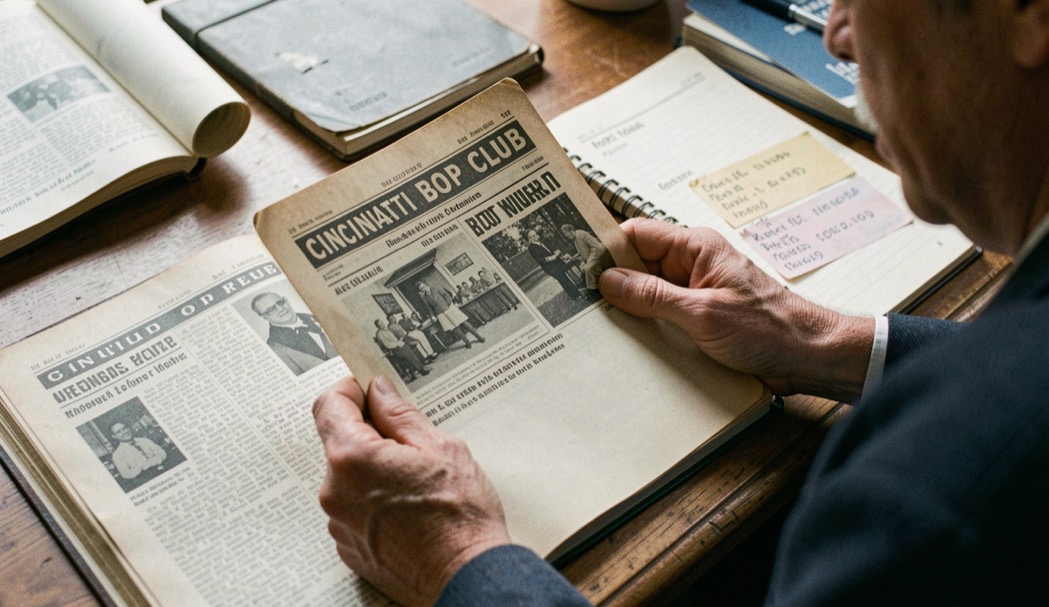
The archive names the club’s dance families, a Tuesday night pattern, lessons, DJs, rules and an American Bop Association connection. The pages give a snapshot of a community explaining itself in practical language. There is a home page, a schedule, a map and a music page because a club needs all of those functions. The record is valuable precisely because it is ordinary and specific.
Keep document types separate
A home page states purpose. A schedule records an event. A map describes a route at a particular time. A rule page states a club expectation. Treating them as one undifferentiated story creates false confidence. The archive index keeps each route visible and labels the interpretation so a reader can return to the original page instead of accepting a polished summary as the only evidence.
An archive protocol
Save the route, capture date and visible subject. Extract only what the page supports. Compare several pages before proposing a pattern. Write the historical claim in past tense and keep current discovery links separate. If a page names a person, do not build a biography from one mention. If a route holds only a document file, redirect it to a historical context page rather than pretending to restore a live service.
What not to invent
The old pages do not justify current attendance figures, a living club roster, a present venue or a complete local chronology. They also do not make every sentence historically representative. A careful archive article can say that a page recorded a practice, a schedule or a rule. It should resist the more dramatic claim that the page explains all Cincinnati dancing.
Why the archive still matters
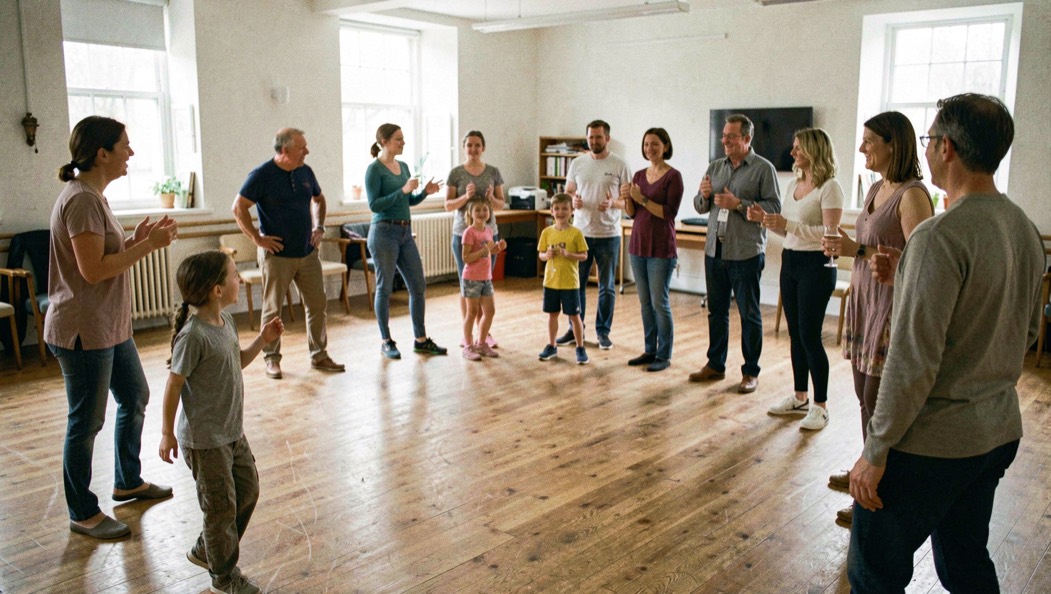
A small club site preserves the infrastructure of participation: lessons, music research, a weekly room, event information and floor care. Those pieces show that social dance depends on more than talent. They give present readers questions to ask of current communities: where do beginners start, who curates the music, how does the room welcome people and what is being remembered?
A reading example
The old lesson page lists a Tuesday pattern and the old map names a venue. The archive index records both, then sends a current reader to the calendar guide instead of copying the address into a present listing. The reader gets a stronger history and a safer next step. Preservation works when it protects both the past and the person using it now.
Source trail and limits
The Internet Archive captures in the research folder are the primary evidence. The American Bop Association provides wider context for the dance families and club network. This article is a guide to reading the archive, not a replacement for it. The original pages remain dated documents, and their old contact details are not presented as current.
Read the room, name the source and leave space for the next dancer. That is a useful rule whether the page is an archive record or a current lead.