A city with a listening history
Cincinnati’s music story includes major institutions, working musicians and neighborhood rooms. A dance bulletin cannot summarise all of it, but it can keep the connection between records and bodies visible. The archive’s reference to rhythm and blues gives us a local entry point. It does not allow one club to stand in for every musician, neighbourhood or Black musical tradition in the region.
The floor changes the listen
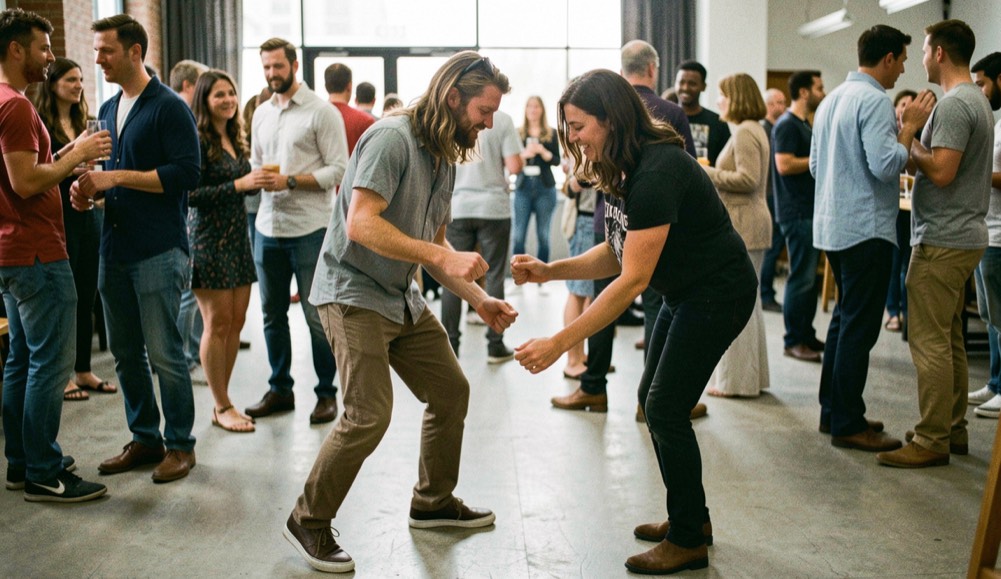
A song heard from a chair is not the same as a song heard while finding a partner. Tempo, break, repetition and space become physical knowledge. Dancers notice where the groove sits in the body and how the phrase gives them an answer. That knowledge should sit beside, not replace, the work of music historians, musicians and record archivists.
A listening protocol
Start with a source that identifies the artist and recording. Listen once for the arrangement, once for the pulse and once in a small movement. Write down what the floor might need from the track, then ask whether that is your observation or a documented historical claim. This simple separation keeps editorial enthusiasm from becoming false music history.
Errors in local culture writing
A local story can become shallow when it lists famous names without rooms, workers or context. It can also become extractive when Black music is described only as energy for someone else’s dance. Credit the people and institutions that preserve the record, avoid sweeping claims and name the limits of the source. Specificity is a form of respect.
What the official history adds
Cincinnati Arts and related Music Hall histories document a venue that held concerts, conventions and big-band dances. That shows how civic rooms can carry music and movement across generations. It does not prove that a particular dance community came from that room. Architecture is context, not a substitute for community testimony or a club archive.
A local-room example
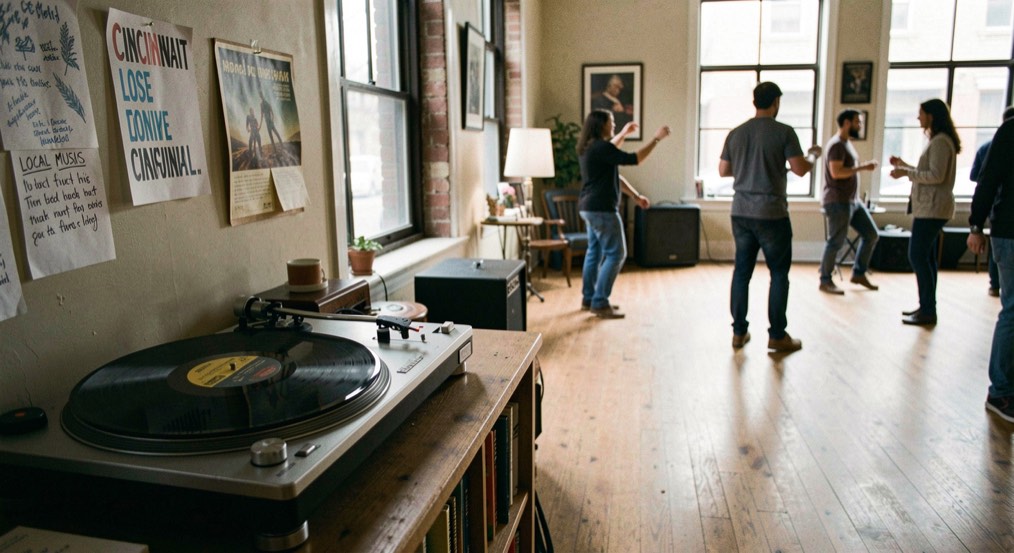
A DJ introduces a record with its artist and year, then lets the dancers hear it without overexplaining. A regular recognises the groove, while a newcomer notices the break. Afterward, someone shares a local recording lead. The room has made a small piece of music history social without turning the dance into a museum demonstration.
Source trail and limits
The archive home page supports the club’s own R&B description. Cincinnati Arts and library materials widen the city’s music context. This article does not attempt a complete Cincinnati music history, and it does not reproduce recordings or claim a definitive canon. Readers should follow the source links for deeper research.
Read the room, name the source and leave space for the next dancer. That is a useful rule whether the page is an archive record or a current lead.